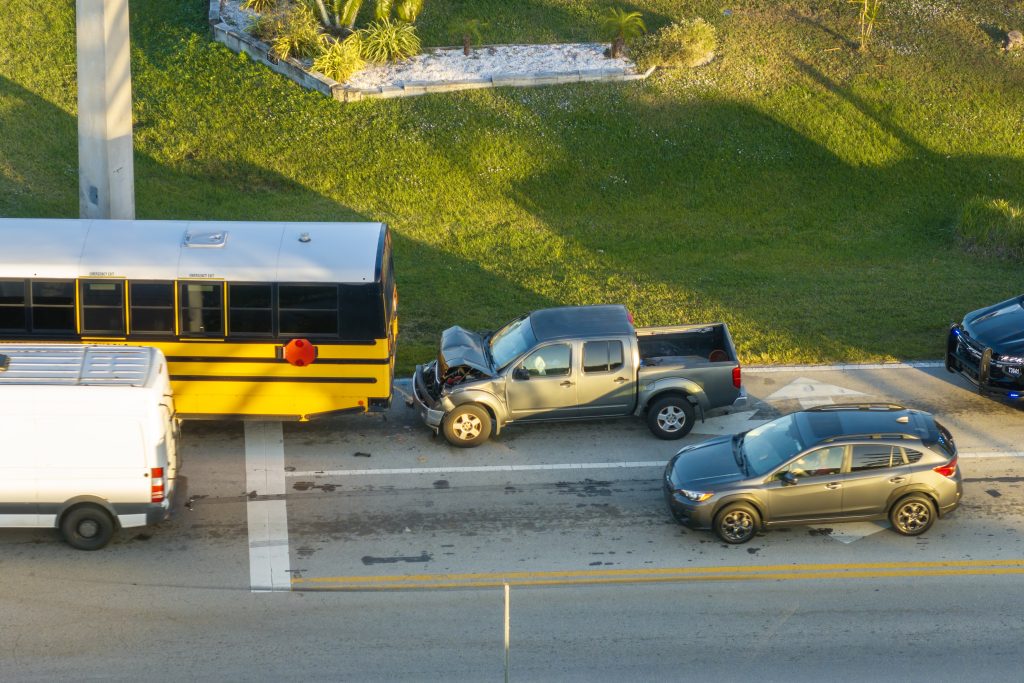
In a Florida Car Accident That Wasn’t Your Fault? Here’s Exactly What to Do Next

Even the safest driver can be hit by someone who wasn’t paying attention. One moment you’re driving normally, and the next you’re hearing the crunch of metal and feeling your heart race.
If this happens to you, take a breath. What you do in the next few hours can make a huge difference in protecting your health, your rights, and the compensation you deserve.
This guide explains step-by-step what every Florida driver who wasn’t at fault should do after a crash – from the scene itself to the days that follow.
1. Call 911 and Stay at the Scene
Safety comes first. Check that everyone is out of immediate danger, turn on your hazard lights, and if possible move vehicles out of traffic. Then call 911 and wait for help to arrive.
When the police respond, give calm, factual answers. The officer’s report will become one of the most important documents in your insurance claim. Even if the other driver admits fault, having an official report secures your side of the story.
Someone else hit you? Their insurance owes you. Let’s start your claim today.
2. Check for Injuries and Get Medical Help
Even a low-speed crash can cause injuries that don’t appear right away. Adrenaline masks pain, and symptoms often surface hours or days later.
If you feel dizzy, sore, or simply “off,” get medical attention immediately – whether that’s an ER visit, urgent-care stop, or appointment with your doctor.
Tell the physician exactly what happened and keep all records, bills, and discharge notes. These details protect both your health and your claim later on.
3. Gather Proof Before You Leave the Scene
If you’re physically able, use your phone to capture everything:
- Close-up and wide shots of all vehicle damage
- The overall crash scene – traffic lights, skid marks, weather, debris
- License plates, street signs, and nearby businesses (they might have cameras)
- Photos of visible injuries
Ask witnesses for their names and phone numbers. Take down the responding officer’s name, badge number, and report number.
These quick actions preserve evidence that might disappear within minutes.
4. Exchange Details – But Watch What You Say
Exchange names, driver’s licenses, insurance information, and vehicle details with the other driver. Be polite, but don’t apologize or discuss fault – even casual comments like “I didn’t see you” can later be twisted by insurance adjusters.
If the at-fault driver becomes defensive or angry, step back and wait for law enforcement to handle the exchange.
Not sure what to do next? Our attorneys can guide you – no fees unless we win.
5. File a Police Report and Notify Your Insurance
Once officers clear the scene, ask how to obtain a copy of the crash report. Florida law requires a report for accidents involving injury or significant property damage, and insurers will ask for it immediately.
Contact your own insurance company the same day if possible. Keep your description factual – time, place, and basic details only. Avoid speculating or agreeing to recorded statements until you’ve spoken with an attorney.
6. Contact a Florida Car Accident Attorney Early
Even when liability seems obvious, insurance companies often delay, underpay, or pressure victims to settle quickly. An experienced Florida car accident attorney steps in to handle every part of that process:
- Communicating directly with adjusters so you don’t have to
- Calculating full compensation for medical bills, lost income, pain, and repairs
- Gathering medical and police evidence to prove the other driver’s fault
- Protecting you from low settlement tactics
Having representation early signals to insurers that you’re serious – and that you know your rights.
Your rights matter. Talk to our Florida car accident lawyers for free advice.
7. Seek Ongoing Medical Care and Track Every Expense
If you were treated at the scene, follow up with your doctor within a few days. Many soft-tissue and spine injuries worsen without early therapy.
Keep a dedicated folder for every receipt, imaging report, and note related to the crash – including prescriptions, mileage to appointments, and missed-work documentation.
This record not only helps your recovery plan but also strengthens your attorney’s demand package when negotiating your settlement.
8. Avoid These Common Mistakes After a Crash
- Skipping medical care. Even small pains can reveal serious injuries later.
- Posting online. Avoid sharing accident details or “I’m fine” posts – insurers check.
- Talking to the other driver’s adjuster alone. Let your lawyer handle communication.
- Accepting an early offer. Quick settlements rarely cover long-term costs.
- Losing receipts or records. Every dollar you document supports your claim.
Being cautious now prevents major headaches later.
Final Thoughts
You didn’t cause the accident – and you shouldn’t have to carry its financial burden.
By staying calm, documenting everything, and seeking medical and legal help early, you protect both your recovery and your rights under Florida law.
Don’t let an insurance company decide what your case is worth. Speak with our Florida car accident attorneys today – free consultation, no obligation.